
Why Crabgrass Keeps Coming Back
Quick Answer
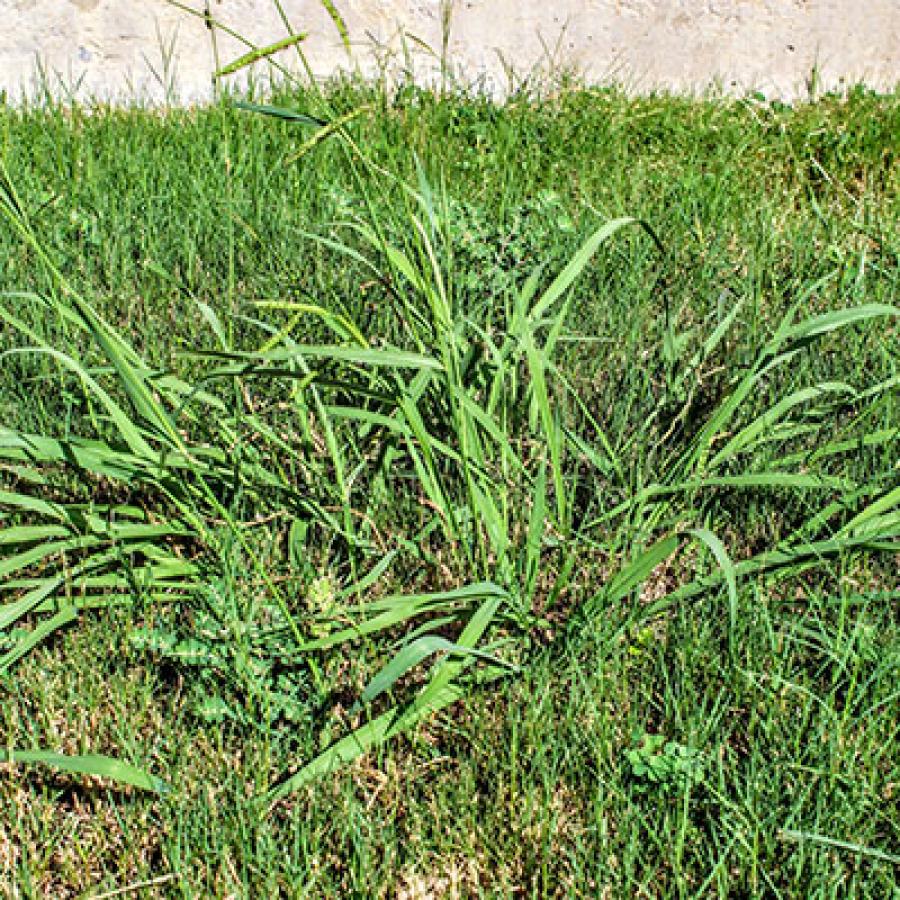
Crabgrass keeps coming back because new plants grow from seeds left behind in the soil, not because the same plants survive year after year. Poor pre-emergent timing, thin turf, bare spots, and favorable growing conditions can all make it easier for those seeds to germinate and establish again.
Crabgrass can feel like a weed that never really goes away. You remove it one year, only to see new patches appear again the next spring or summer.
The reason is usually not that the same plants survived. Crabgrass is an annual grassy weed, which means individual plants typically complete their life cycle within one growing season. The bigger problem is the seed they leave behind and the conditions that allow those seeds to germinate again.
Why Does Crabgrass Keep Coming Back?
Crabgrass keeps coming back because established plants can produce seeds that remain in the soil and germinate in future growing seasons. Even if visible crabgrass is removed, seeds may already be present throughout the lawn.
Once soil temperatures and moisture conditions become favorable, those seeds can begin germinating. That is why a lawn can appear crabgrass-free at the end of one season and still develop new plants the following year.
Recurring crabgrass is often connected to several factors:
- Crabgrass seed already present in the soil
- Thin or bare areas in the lawn
- Improper or poorly timed pre-emergent applications
- Soil disturbance that exposes new seed
- Warm, sunny areas where turf struggles to fill in
- New seed introduced from nearby lawns or landscaped areas
Controlling the visible plants is only one part of the process. Long-term prevention also means reducing the conditions that make it easy for new crabgrass seedlings to establish.
Does Crabgrass Come Back Every Year?
Crabgrass can appear every year, but the same plant is generally not returning. New plants are usually growing from seed.
Crabgrass is an annual weed. It germinates, grows, produces seed, and eventually dies as temperatures decline. Those seeds can remain behind and create another generation when growing conditions become favorable again.
This is why removing mature crabgrass late in the season may not completely solve the problem. If the plants have already produced seed, future outbreaks may still occur.
Preventing seed production and limiting new germination are both important parts of reducing crabgrass over time.
How Does Crabgrass Spread?
Crabgrass spreads primarily through seed production. A mature plant can produce a large number of seeds, allowing a relatively small infestation to become a recurring problem.
Seeds can remain in the soil until the right combination of warmth, moisture, and sunlight encourages germination. They may also be moved around the landscape through soil movement, lawn equipment, water, animals, or other activity.
Crabgrass tends to establish most easily where desirable turf is weak. Common problem areas include:
- Thin sections of the lawn
- Bare soil
- Lawn edges
- Areas near driveways and sidewalks
- Spots where grass has been damaged
- Sunny areas with stressed turf
Dense grass creates more competition for space, sunlight, water, and nutrients, making it harder for crabgrass seedlings to establish.
When Does Crabgrass Germinate?
Crabgrass typically begins germinating as soil warms in the spring. Germination does not happen everywhere at exactly the same time, which is one reason prevention timing can be difficult.
A few unusually warm days do not necessarily mean every crabgrass seed will germinate at once. Germination can continue over an extended period as conditions remain favorable.
This matters because preventive treatments generally need to be in place before seedlings emerge. Once crabgrass is already actively growing, pre-emergent products are no longer targeting those existing plants.
Local soil temperatures and seasonal weather patterns are often more useful than simply choosing the same calendar date every year.
Why Pre-Emergent Timing Matters
Pre-emergent herbicides are designed to interfere with the development of young weeds as they germinate. They are most effective when applied before crabgrass has emerged.
Applying too late can leave early-germinating plants untreated. Applying too early without proper follow-up can also create gaps later in the germination period, depending on the product and conditions.
Other factors can affect performance as well, including:
- Application coverage
- Watering or rainfall after application
- Soil disturbance
- Product longevity
- Lawn renovation or seeding
- Weather during the germination period
This is why a recurring crabgrass problem does not automatically mean a treatment failed completely. Timing, coverage, weather, and lawn conditions can all influence the results.
Can Pulling Crabgrass Stop It From Coming Back?
Pulling crabgrass can remove individual plants, but it does not remove all of the seed already present in the soil. It is most useful when plants are removed early, before they have a chance to produce additional seed.
Hand-pulling can work well for small infestations, especially when the soil is moist, and the entire plant can be removed. Larger outbreaks are usually harder to manage this way.
Even after pulling visible plants, new seedlings may continue emerging from other seeds. That is why crabgrass control usually works better as a combination of removal, prevention, and improving turf density.
Thin Turf Can Make Crabgrass Problems Worse
A thin lawn leaves more open space for crabgrass seeds to germinate and establish. Sunlight reaches the soil more easily, and young weeds face less competition from surrounding grass.
Weak turf can develop for many reasons, including drought stress, poor mowing practices, compacted soil, insect damage, disease, or unsuitable growing conditions.
Improving overall lawn density can make a meaningful difference in long-term crabgrass control. Depending on the lawn, that may involve:
- Correct mowing height
- Appropriate fertilization
- Proper irrigation
- Aeration when needed
- Overseeding compatible turf types
- Addressing drainage or soil problems
The goal is not simply to kill crabgrass. It is also to give desirable grass a better chance to occupy the space first.
How to Keep Crabgrass From Coming Back
Keeping crabgrass from returning usually requires several seasons of consistent prevention and lawn care. Reducing the amount of seed entering the soil while also limiting germination can gradually decrease recurring outbreaks.
A strong approach generally includes:
- Applying pre-emergent at the appropriate time
- Removing crabgrass before it produces seed when possible
- Keeping turf thick and healthy
- Repairing bare or damaged lawn areas
- Avoiding unnecessary soil disturbance after treatment
- Monitoring common problem spots during spring and summer
Crabgrass seeds already in the soil can make the problem persistent, so one season of treatment may not eliminate it completely.
Preventing Crabgrass Takes More Than One Treatment
Crabgrass keeps coming back because the problem often begins below the surface long before new plants become visible. Seeds from previous seasons can remain in the soil and take advantage of thin turf, bare areas, and favorable growing conditions.
The most effective long-term approach combines properly timed prevention with practices that encourage thicker, healthier grass. Over time, reducing seed production and improving turf density can make recurring crabgrass much easier to manage. Contact our team today for a comprehensive lawn care plan that will keep your lawn free of crabgrass and other common weeds.