
When to Start Lawn Care in Fredericksburg, VA
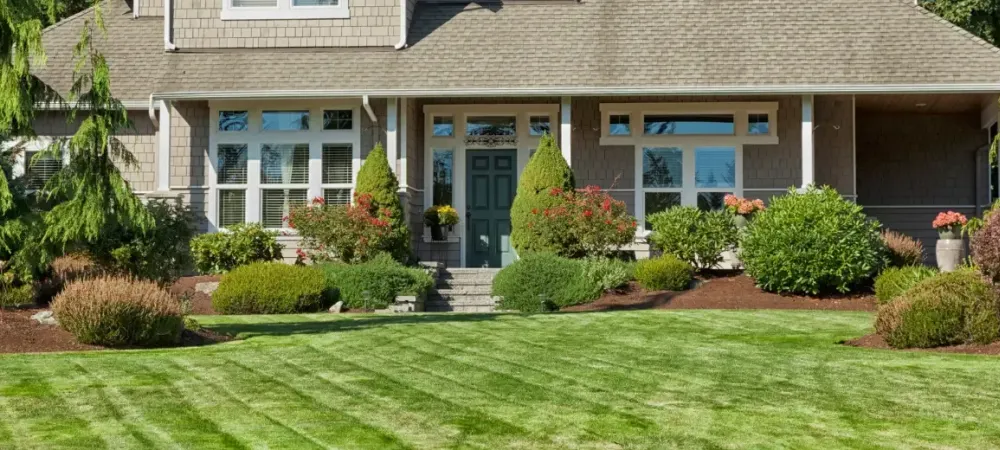
Starting lawn care at the wrong time doesn't just waste money — it can undo an entire season of work. This guide breaks down exactly when to start each lawn care task in Fredericksburg, based on Virginia's transition-zone climate, so you're never guessing.
Quick answer
In Fredericksburg, lawn care season effectively starts in early-to-mid March with a pre-emergent crabgrass application, ramps up through spring and summer mowing and fertilization, and wraps with fall aeration and overseeding in September. Because Fredericksburg sits in the transition zone, timing matters more here than in most of the country — apply too early or too late and treatments underperform.
Why timing matters more in the transition zone
Fredericksburg sits in what turf scientists call the "transition zone" — too far south for northern cool-season grasses to thrive without stress, and too far north for warm-season southern grasses to stay green year-round. Most area lawns are a mix of tall fescue and other cool-season varieties, which grow best in the shoulder seasons and go semi-dormant in peak summer heat.
That means the calendar that works for a lawn service company in Georgia or Massachusetts doesn't apply here. Start too early and a pre-emergent breaks down before crabgrass germinates; start too late and weeds already have a foothold.
The Fredericksburg lawn care calendar
Late February – Mid March: Pre-emergent weed control This is the real "start" of the season. A pre-emergent herbicide applied before soil temperatures hit the mid-50s (usually when forsythia blooms locally) blocks crabgrass and other summer annual weeds before they germinate.
March – April: First mowing and spring green-up As fescue comes out of winter dormancy, mowing height should stay on the taller side (3–3.5 inches) to encourage deep roots. This is also when the first rounds of a fertilization program typically begin.
May – June: Fertilization and weed monitoring Broadleaf weeds like dandelion and clover show up here. Spot treatments and continued fertilization rounds keep turf dense enough to crowd weeds out naturally.
July – August: Maintenance mode Fescue slows down and can go under stress in peak heat. This is not the time to start a new lawn or push heavy fertilization — it's a maintenance window focused on mowing height, watering consistency, and pest monitoring.
September: Aeration and overseeding This is the single most important "start date" for long-term lawn health in this region. Cooling soil temperatures and fall rain make September the ideal window to aerate compacted soil and overseed thin areas before winter dormancy.
October – November: Final fertilization round and cleanup A fall fertilizer application builds root reserves for winter, and leaf removal keeps new grass seedlings from being smothered.
What happens if you start too early or too late
- Too early in spring: Pre-emergents can break down before weed seeds even germinate, leaving a gap in coverage right when it matters most.
- Too late in spring: Crabgrass and other weeds get a head start that's difficult to reverse without more aggressive (and more expensive) treatment later.
- Skipping fall aeration: Compacted Virginia clay soil restricts root growth all year, making the lawn more vulnerable to summer drought stress the following season.
Virginia-specific notes for Fredericksburg homeowners
- Fredericksburg's clay-heavy soil compacts more than sandy or loamy soil, which makes annual fall aeration especially valuable here.
- Local watering restrictions can go into effect during dry summer stretches — check with your municipality before assuming daily watering is an option.
- Because most area lawns are fescue-based, resist the urge to overseed in spring; fescue overseeding takes best in fall soil and air temperatures.
Quick-reference checklist
- Late Feb–Mid March: Apply pre-emergent
- March–April: Begin mowing at 3–3.5"; start fertilization program
- May–June: Monitor and spot-treat broadleaf weeds
- July–August: Maintain mowing height and watering; avoid new seeding
- September: Aerate and overseed
- October–November: Final fertilizer round; clear leaves
Let Imperial Landscaping Handle the Timing For You
Getting lawn care timing right takes tracking soil temperature, weather patterns, and your lawn's specific stress points all season long — which is exactly why most Fredericksburg homeowners hand it off. Imperial Landscaping runs a full lawn care program built around this region's transition-zone climate, including fertilization, weed control, and our fall aeration and overseeding service.
Ready to stop guessing at start dates? Get a free quote and we'll build a season-long schedule tailored to your yard.