
When to Book Fall Leaf Removal
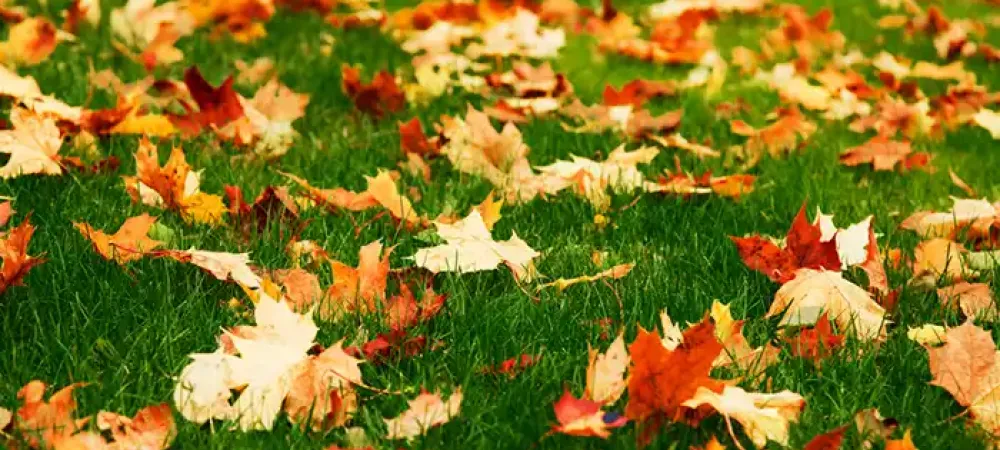
As trees begin dropping their leaves, it can be tempting to wait until the yard is completely covered before scheduling cleanup. In most cases, however, fall leaf removal works better when it is handled in stages.
The right schedule depends on how quickly leaves are falling, how many mature trees surround your property, and how heavily leaves are covering the lawn. Removing them before they accumulate into a thick layer can make cleanup easier while also protecting the grass underneath.
When Is the Best Time for Fall Leaf Removal?
The best time for fall leaf removal is whenever leaves begin forming a consistent layer across the lawn. You do not need to remove every scattered leaf, but you should avoid allowing heavy accumulation to remain for extended periods.
Most properties benefit from multiple cleanups during peak leaf drop rather than one large cleanup at the very end of fall. A typical schedule may include:
- An early cleanup once leaf drop becomes noticeable
- One or more cleanups during the heaviest part of the season
- A final cleanup after most surrounding trees have finished dropping their leaves
Properties with fewer trees may only need one or two visits, while heavily wooded yards may require more frequent service.
Should You Wait Until All the Leaves Have Fallen?
Waiting until every leaf has fallen is usually not the best approach when the lawn is already heavily covered. A thick layer of leaves can remain on the grass for weeks while nearby trees continue to shed.
During that time, accumulated leaves can block sunlight and reduce air movement around the turf. Wet leaves may also become matted together, making them heavier and more difficult to remove.
A final cleanup is still useful once leaf drop slows, but it is generally better to keep major accumulation under control throughout the season.
How Often Should Leaves Be Removed?
Leaves should be removed often enough to prevent them from forming a dense, matted layer over the lawn. The exact frequency varies considerably from one property to another.
Several factors can affect how often cleanup is needed:
- Number of trees: Heavily wooded properties usually accumulate leaves faster
- Tree species: Different trees drop their leaves at different times
- Wind: Leaves from neighboring properties can collect in certain areas of the yard
- Rain: Wet leaves can mat together and become more difficult to move
- Property layout: Fences, landscaping beds, and corners can create areas where leaves repeatedly collect
During peak leaf drop, some properties may benefit from cleanup every couple of weeks. Others may require less frequent service.
Why Fall Leaf Removal Timing Matters
Timely leaf removal helps prevent large amounts of organic material from sitting on the lawn for extended periods. A few scattered leaves are rarely a concern, but heavy coverage can interfere with the conditions grass needs to remain healthy.
Sunlight Can Still Reach the Grass
Grass continues to use sunlight even as temperatures cool. A dense layer of leaves can shade the turf and reduce the amount of light reaching the grass blades.
Removing heavy leaf coverage keeps more of the lawn exposed during the fall growing period.
Moisture Is Less Likely to Become Trapped
Wet leaves can stick together and create a dense layer against the soil surface. This can limit airflow and keep sections of the lawn damp longer than surrounding areas.
Regular cleanup prevents leaves from building into thick mats, particularly after periods of rain.
Spring Cleanup Becomes Easier
Leaves left throughout the winter often become wet, compacted, and partially decomposed by spring. Removing the majority of them during fall can reduce the amount of cleanup waiting once warmer weather returns.
Can You Leave Some Leaves on the Lawn?
A small amount of finely chopped leaf material can sometimes be left on the lawn, particularly when leaves are mulched with a mower. The key is making sure the remaining material is small enough and spread thinly enough that the grass is still visible.
Problems are more likely when whole leaves completely cover sections of turf. If you can barely see the grass underneath, the layer is probably thick enough to warrant removal or additional mulching.
Leaves may also be useful in garden beds or compost piles, depending on how you manage your landscape.
When Should the Final Leaf Cleanup Be Scheduled?
The final fall cleanup should generally be scheduled after the majority of nearby trees have finished dropping their leaves. This often occurs later in the season, although the exact timing varies by tree species and local weather patterns.
The goal of the final cleanup is to remove the accumulation left behind after the busiest period of leaf drop. This may include leaves gathered around:
- Fences
- Shrubs
- Landscape beds
- Decks and patios
- Driveways and walkways
- Drainage areas
Scheduling too early may leave you needing another cleanup once late-dropping trees finish shedding.
Fall Leaf Removal Before Winter
Fall leaf removal is best treated as an ongoing seasonal task rather than a single cleanup date. Removing heavy accumulation as it develops, followed by one final cleanup near the end of leaf drop, helps keep the property manageable and prevents leaves from sitting on the lawn all winter.
The ideal schedule ultimately depends on your property. A lightly wooded yard may need only a couple of cleanups, while properties surrounded by mature trees may require several visits before the season is finished.